NURS FPX 9010 Assessment 2: Improving Chronic Disease Outcomes Through Nurse-Led CareIntroductionChronic diseases represent an ongoing challenge for healthcare organizations and the communities they serve. Conditions such as diabetes, hypertension, cardiovascular disease, and chronic respiratory disorders often require long-term monitoring, medication management nursing essay help , lifestyle changes, and regular communication with healthcare professionals. Managing these conditions effectively requires more than occasional clinical visits. Patients need consistent support that helps them understand their condition and participate in decisions about their health. NURS FPX 9010 Assessment 2 provides an opportunity to examine how nursing leadership can contribute to improved healthcare outcomes. Nurse-led chronic disease management is one approach that places nurses in an important role within long-term care, education, monitoring, and patient engagement. This model demonstrates how nurses can combine clinical knowledge, leadership, communication, technology, and evidence-based practice to improve the management of chronic conditions. The Challenge of Chronic Disease ManagementChronic illnesses can affect many aspects of a person's life. Patients may need to take medications regularly, monitor symptoms, change their diet, increase physical activity, attend appointments, and manage complications. These responsibilities can become difficult over time. Patients may understand what they are expected to do but struggle to maintain healthy behaviors because of financial limitations, work schedules, family responsibilities, limited resources, or lack of support. Healthcare professionals must therefore consider the individual circumstances of each patient. A successful chronic disease program should address clinical needs while also helping patients develop realistic strategies for managing their health. The Role of Nurse-Led CareNurses can play a central role in chronic disease management because they frequently provide education, monitoring, counseling, and follow-up. A nurse-led program may involve regular assessments, health education, medication reviews, lifestyle support, and communication with other healthcare professionals. Nurses can help patients identify personal health goals and develop practical steps toward achieving them. For example, instead of giving a patient a general recommendation to exercise more, a nurse can discuss the patient's daily routine and help identify an achievable activity goal. This individualized approach can make health recommendations more practical. Establishing Individualized GoalsEvery patient has different needs and priorities. One patient may want to improve blood pressure control, while another may be more concerned about managing fatigue or maintaining independence. Nurses can work with patients to establish goals that are meaningful and realistic. Goals should be specific enough to evaluate progress while remaining achievable. Regular follow-up allows nurses and patients to review progress and modify goals when necessary. This approach encourages patients to become active participants rather than passive recipients of healthcare instructions. Improving Medication ManagementMedication adherence can be a significant challenge for individuals with chronic conditions. Patients may forget doses, misunderstand instructions, experience side effects, or have difficulty paying for medications. Nurses can identify these barriers during routine interactions. Medication discussions should include questions about what patients are actually taking and how they are taking it. If problems are identified, nurses can communicate with prescribers and pharmacists to explore appropriate solutions. Education should focus on helping patients understand the purpose of their medications and the importance of following the prescribed plan. Strengthening Self-Management SkillsLong-term health outcomes depend partly on what patients are able to do outside healthcare facilities. Nurses can teach self-management skills that help patients monitor their conditions and recognize changes that may require professional attention. For example, patients may learn how to monitor blood pressure, recognize warning signs, track symptoms, or maintain a personal health record. Education should be practical and adapted to individual needs NURS FPX 9010 Assessment 2 . Patients should also understand when self-management is no longer sufficient and when they should contact a healthcare professional. Using Technology for Ongoing SupportDigital tools can provide additional opportunities for chronic disease management. Patients may use mobile applications, remote monitoring devices, patient portals, or virtual appointments to communicate information to healthcare teams. Nurses can help patients understand how to use these tools effectively. Remote monitoring may allow healthcare professionals to identify changes earlier and provide timely guidance when appropriate. However, technology should not replace individualized nursing care. Patients who have limited access to technology may need alternative methods of support. Healthcare leaders should ensure that digital approaches complement rather than restrict access to care. Coordinating Interprofessional ServicesChronic disease management often requires multiple healthcare professionals. A patient may receive support from nurses, physicians, pharmacists, dietitians, physical therapists, social workers, and other specialists. Without coordination, patients may receive inconsistent information or experience gaps in care. Nurses can help connect different members of the healthcare team. Effective coordination includes sharing relevant information, clarifying responsibilities, and ensuring that patient goals remain central to the care plan. Interprofessional collaboration can make chronic disease services more comprehensive. Addressing Social and Practical BarriersClinical recommendations may not be effective when social barriers are ignored. For example, a patient may be advised to follow a particular diet but lack access to affordable healthy foods. Another patient may miss appointments because transportation is unavailable. Nurses can identify these barriers during conversations with patients. When appropriate, they can connect individuals with available community or organizational resources. Addressing practical challenges can make healthcare recommendations more realistic and patient-centered. Measuring Patient OutcomesHealthcare organizations should evaluate whether nurse-led programs are producing meaningful improvements. Possible measures may include clinical indicators, appointment attendance, medication adherence, patient satisfaction, emergency visits, hospitalizations, and patient-reported confidence in self-management. Measurements should be selected according to the goals of the program. Patient feedback can provide additional information about whether education and support are meeting individual needs. Leaders can use these findings to identify successful practices and areas requiring adjustment. Supporting Nurses Through EducationNurses involved in chronic disease management need appropriate knowledge and skills. Professional development may include education about chronic disease guidelines, patient counseling, motivational communication, technology, cultural responsiveness, and care coordination. Nurse leaders should provide opportunities for staff to strengthen these skills. Ongoing education can help nurses remain confident as clinical recommendations and healthcare technologies evolve. Professional development also supports a culture of continuous learning. Leadership for Sustainable ImprovementA nurse-led chronic disease program requires organizational support. Leaders must consider staffing, training, technology, communication systems, and evaluation processes. They should also involve frontline nurses when designing or modifying the program. Nurses who participate in planning can identify workflow barriers and suggest practical improvements. Sustainability depends on regularly reviewing outcomes and adapting services to patient needs. A program should not remain unchanged simply because it was successful during its initial implementation. Applying NURS FPX 9010 Assessment 2 ConceptsThe principles associated with NURS FPX 9010 Assessment 2 can help healthcare professionals examine how nursing leadership can address complex organizational and clinical challenges. Chronic disease management illustrates the importance of evidence, patient engagement, teamwork, communication, data analysis, and continuous improvement. Nurses can identify gaps in care, develop targeted strategies, evaluate outcomes, and collaborate with other professionals to strengthen healthcare delivery. This approach demonstrates that leadership is closely connected to everyday nursing practice. ConclusionNURS FPX 9010 Assessment 2 provides an opportunity to explore how nurses can contribute to improved healthcare outcomes through leadership and innovative approaches to care. Nurse-led chronic disease management demonstrates the value of combining clinical expertise with patient education, self-management support, care coordination, and ongoing evaluation. Effective programs recognize that chronic disease management is a long-term process. Patients need practical guidance, regular communication, and support that reflects their individual circumstances. Nurses are well positioned to provide this support because they often develop strong relationships with patients and understand the challenges associated with managing health conditions over time. By strengthening nurse-led services, using appropriate technology, addressing barriers, and measuring meaningful outcomes, healthcare organizations can create more responsive approaches to chronic care. Ultimately, successful chronic disease management depends on partnership. When nurses, patients, families, and healthcare professionals work together toward shared goals, organizations can support healthier lives and more sustainable healthcare outcomes.





 Kianhuatmetal joined the community
 NURS FPX 9010 Assessment 2: Improving Chronic Disease Outcomes Through Nurse-Led CareIntroductionChronic diseases represent an ongoing challenge for healthcare organizations and the communities they serve. Conditions such as diabetes, hypertension, cardiovascular disease, and chronic respiratory disorders often require long-term monitoring, medication management nursing essay help , lifestyle changes, and regular communication with healthcare professionals. Managing these conditions effectively requires more than occasional clinical visits. Patients need consistent support that helps them understand their condition and participate in decisions about their health. NURS FPX 9010 Assessment 2 provides an opportunity to examine how nursing leadership can contribute to improved healthcare outcomes. Nurse-led chronic disease management is one approach that places nurses in an important role within long-term care, education, monitoring, and patient engagement. This model demonstrates how nurses can combine clinical knowledge, leadership, communication, technology, and evidence-based practice to improve the management of chronic conditions. The Challenge of Chronic Disease ManagementChronic illnesses can affect many aspects of a person's life. Patients may need to take medications regularly, monitor symptoms, change their diet, increase physical activity, attend appointments, and manage complications. These responsibilities can become difficult over time. Patients may understand what they are expected to do but struggle to maintain healthy behaviors because of financial limitations, work schedules, family responsibilities, limited resources, or lack of support. Healthcare professionals must therefore consider the individual circumstances of each patient. A successful chronic disease program should address clinical needs while also helping patients develop realistic strategies for managing their health. The Role of Nurse-Led CareNurses can play a central role in chronic disease management because they frequently provide education, monitoring, counseling, and follow-up. A nurse-led program may involve regular assessments, health education, medication reviews, lifestyle support, and communication with other healthcare professionals. Nurses can help patients identify personal health goals and develop practical steps toward achieving them. For example, instead of giving a patient a general recommendation to exercise more, a nurse can discuss the patient's daily routine and help identify an achievable activity goal. This individualized approach can make health recommendations more practical. Establishing Individualized GoalsEvery patient has different needs and priorities. One patient may want to improve blood pressure control, while another may be more concerned about managing fatigue or maintaining independence. Nurses can work with patients to establish goals that are meaningful and realistic. Goals should be specific enough to evaluate progress while remaining achievable. Regular follow-up allows nurses and patients to review progress and modify goals when necessary. This approach encourages patients to become active participants rather than passive recipients of healthcare instructions. Improving Medication ManagementMedication adherence can be a significant challenge for individuals with chronic conditions. Patients may forget doses, misunderstand instructions, experience side effects, or have difficulty paying for medications. Nurses can identify these barriers during routine interactions. Medication discussions should include questions about what patients are actually taking and how they are taking it. If problems are identified, nurses can communicate with prescribers and pharmacists to explore appropriate solutions. Education should focus on helping patients understand the purpose of their medications and the importance of following the prescribed plan. Strengthening Self-Management SkillsLong-term health outcomes depend partly on what patients are able to do outside healthcare facilities. Nurses can teach self-management skills that help patients monitor their conditions and recognize changes that may require professional attention. For example, patients may learn how to monitor blood pressure, recognize warning signs, track symptoms, or maintain a personal health record. Education should be practical and adapted to individual needs NURS FPX 9010 Assessment 2 . Patients should also understand when self-management is no longer sufficient and when they should contact a healthcare professional. Using Technology for Ongoing SupportDigital tools can provide additional opportunities for chronic disease management. Patients may use mobile applications, remote monitoring devices, patient portals, or virtual appointments to communicate information to healthcare teams. Nurses can help patients understand how to use these tools effectively. Remote monitoring may allow healthcare professionals to identify changes earlier and provide timely guidance when appropriate. However, technology should not replace individualized nursing care. Patients who have limited access to technology may need alternative methods of support. Healthcare leaders should ensure that digital approaches complement rather than restrict access to care. Coordinating Interprofessional ServicesChronic disease management often requires multiple healthcare professionals. A patient may receive support from nurses, physicians, pharmacists, dietitians, physical therapists, social workers, and other specialists. Without coordination, patients may receive inconsistent information or experience gaps in care. Nurses can help connect different members of the healthcare team. Effective coordination includes sharing relevant information, clarifying responsibilities, and ensuring that patient goals remain central to the care plan. Interprofessional collaboration can make chronic disease services more comprehensive. Addressing Social and Practical BarriersClinical recommendations may not be effective when social barriers are ignored. For example, a patient may be advised to follow a particular diet but lack access to affordable healthy foods. Another patient may miss appointments because transportation is unavailable. Nurses can identify these barriers during conversations with patients. When appropriate, they can connect individuals with available community or organizational resources. Addressing practical challenges can make healthcare recommendations more realistic and patient-centered. Measuring Patient OutcomesHealthcare organizations should evaluate whether nurse-led programs are producing meaningful improvements. Possible measures may include clinical indicators, appointment attendance, medication adherence, patient satisfaction, emergency visits, hospitalizations, and patient-reported confidence in self-management. Measurements should be selected according to the goals of the program. Patient feedback can provide additional information about whether education and support are meeting individual needs. Leaders can use these findings to identify successful practices and areas requiring adjustment. Supporting Nurses Through EducationNurses involved in chronic disease management need appropriate knowledge and skills. Professional development may include education about chronic disease guidelines, patient counseling, motivational communication, technology, cultural responsiveness, and care coordination. Nurse leaders should provide opportunities for staff to strengthen these skills. Ongoing education can help nurses remain confident as clinical recommendations and healthcare technologies evolve. Professional development also supports a culture of continuous learning. Leadership for Sustainable ImprovementA nurse-led chronic disease program requires organizational support. Leaders must consider staffing, training, technology, communication systems, and evaluation processes. They should also involve frontline nurses when designing or modifying the program. Nurses who participate in planning can identify workflow barriers and suggest practical improvements. Sustainability depends on regularly reviewing outcomes and adapting services to patient needs. A program should not remain unchanged simply because it was successful during its initial implementation. Applying NURS FPX 9010 Assessment 2 ConceptsThe principles associated with NURS FPX 9010 Assessment 2 can help healthcare professionals examine how nursing leadership can address complex organizational and clinical challenges. Chronic disease management illustrates the importance of evidence, patient engagement, teamwork, communication, data analysis, and continuous improvement. Nurses can identify gaps in care, develop targeted strategies, evaluate outcomes, and collaborate with other professionals to strengthen healthcare delivery. This approach demonstrates that leadership is closely connected to everyday nursing practice. ConclusionNURS FPX 9010 Assessment 2 provides an opportunity to explore how nurses can contribute to improved healthcare outcomes through leadership and innovative approaches to care. Nurse-led chronic disease management demonstrates the value of combining clinical expertise with patient education, self-management support, care coordination, and ongoing evaluation. Effective programs recognize that chronic disease management is a long-term process. Patients need practical guidance, regular communication, and support that reflects their individual circumstances. Nurses are well positioned to provide this support because they often develop strong relationships with patients and understand the challenges associated with managing health conditions over time. By strengthening nurse-led services, using appropriate technology, addressing barriers, and measuring meaningful outcomes, healthcare organizations can create more responsive approaches to chronic care. Ultimately, successful chronic disease management depends on partnership. When nurses, patients, families, and healthcare professionals work together toward shared goals, organizations can support healthier lives and more sustainable healthcare outcomes.
 Sevenprintau joined the community
 https://fixupx.com/pokemyah/status/2107729327181976052
 ninjatruckrepair joined the community
 Ethan Miller joined the community
 EDUHUBSJI joined the community
 <https://twitch.tv/firemasterlucky>

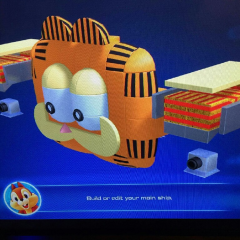 PC port dusklight It has a built-in mod "shop" of sorts you can download mods and stuff directly from the in the game itself it's great. At this point even if they do release an official version there's no way I'm buy it's not going to have even a fraction of the features added here
 I wouldn’t risk my own ps5 pro being jailbroken rather not risk it getting bricked. A separate ps5 maybe if I had one.
 so I'm SoL waiting until a new one is found for my version